CLARK COUNTY BURN BANS
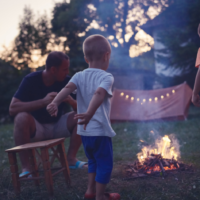
Families all over Clark County have their own cherished activities that come with the arrival of summer weather, and for many that include gathering around an outdoor fire for socializing, roasting marshmallows, and keeping warm as the day’s heat gives way to the night. But the dangers posed by outdoor fires in a dry landscape warrant caution and require at least some degree of planning and preparedness to make sure innocent fun doesn’t turn into a costly mistake.
RULES ABOUT RECREATIONAL/BACKYARD FIRED
Information and rules for recreational/backyard fires can be found on the county’s website at https://clark.wa.gov/code-administration/outdoor-burning, and a map of current fire restrictions for any county address can be found at https://www.swcleanair.gov/burning/burnmap.asp. Always check the map or with local fire authorities to make sure burning is allowed at all in your area.
When allowed, recreational fires must be built in a metal, stone, or masonry-lined pit (such as those seen in campgrounds or sold in home and garden stores). Fires must not exceed 3 feet in diameter by 2 feet in height, must be at least 25 feet from a structure or other combustible material, and must have at least 20 feet of clearance from overhead fuels such as tree limbs, patio covers, or carports.
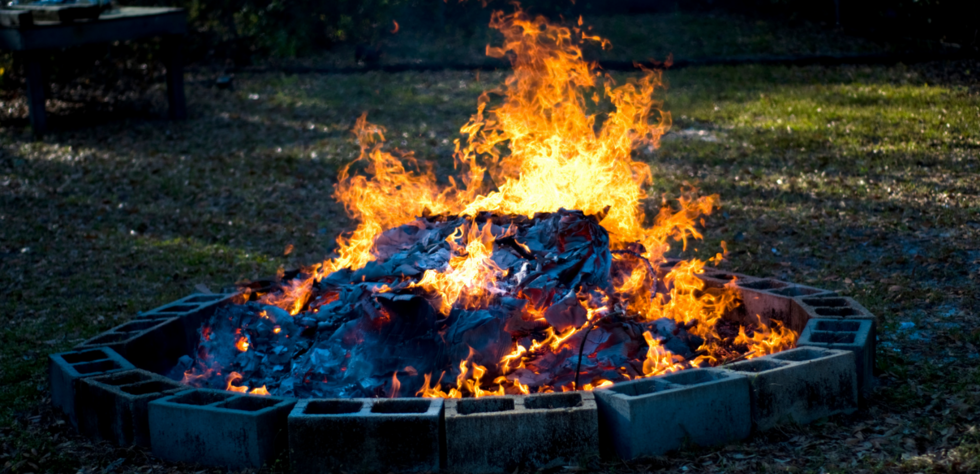
FOLLOW THE RULES; IT’S THE LAW
Fires must be attended at all times by a responsible person at least 16 years old who has the ability to extinguish the fire using a shovel, five gallons of water, or a connected and charged water hose. They must be completely extinguished by pouring water or moist soil on them and stirring with a shovel until all parts are cool to the touch.
Only charcoal or seasoned firewood (not lumber) may be used as fuel for a recreational fire.
Following these rules helps ensure that a fire doesn’t get out of control, putting property and lives in danger, and lets everyone-friends and neighbors alike- continue to enjoy the good times of summer.

About the Author
Scott A. Staples
 Scott Staples came on board in 2006 as a clerk during law school, and joined the firm as an associate attorney in 2007. He was made a shareholder in the firm in 2010. Scott graduated, cum laude, from Washington State University Vancouver with a BA in English, and obtained his Juris Doctorate from Willamette University College of Law, with cum laude honors there as well. He has successfully represented clients in a variety of different types of injury cases, including auto collisions, premises liability, animal attacks, watercraft accidents, and construction site injuries. He has appeared, and won, before the Washington State Supreme Court (Weismann v. Safeco, 2012).