Blind Spots, Braking Distance, Crash Severity and Underride Risk: Oregon’s Commercial Motor Vehicle Safety Action Plan Updates
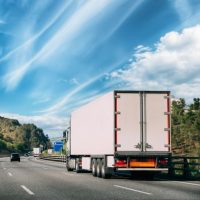
There is no way around the fact that large commercial vehicles present dangers to other drivers on the road. However, the general driving public often does not grasp the full severity of the problem. They may not realize when they are driving that trucks do not perform in the same way as other vehicles.
Oregon updates its Commercial Motor Vehicle Safety Action Plan every year. The most recent updates were made in May 2026. This plan differs from the Freight Safety Plan, which the state must update each year under federal regulation (the next update is due in 2027). Among other things, the newest plan calls attention to the following risks:
- Braking distance: The plan specifically notes that a loaded tractor-trailer takes 20%–40% more distance to stop than a passenger car, and this contributes to more severe crashes.
- Crash severity: Specific attention was called to the need to address the severity of crashes involving commercial vehicles. This is the direct result of the large disparity in weight and size between fully-loaded tractor-trailers and passenger cars.
- Underride risk: One of the reasons why truck crashes are more severe is the possibility that a passenger car can end up underneath a truck. This type of crash almost always results in severe injuries or death.
An Annual Survey Revealed Several Misconceptions Related to the Dangers of Large Trucks
Although truck drivers are often at fault for an accident, it is not always the case. Drivers also need to be aware of the serious potential hazards when they are in the vicinity of a large truck on the roadway.
The Oregon Department of Transportation surveys drivers annually to learn more about their safety habits and viewpoints. The most recent survey revealed that drivers may not fully realize some of the unique dangers that these trucks present. These misconceptions can lead to a greater chance of a truck accident, although it may still not be your fault.
The results of the survey leave the impression that any gap in understanding between drivers of passenger cars and commercial vehicles can go both ways. As Oregon makes updates
Where Drivers May Not Understand Large Truck Risks
Some of the areas in which drivers may underestimate the risks posed by commercial trucks include the following:
- Fatigue: Truck drivers often work long shifts. Even when they are following federal hours of service regulations, they may be driving at off-hours, when they are likely to be more tired.
- Stopping Distance: Given the large size of the truck, it can take the driver roughly one-tenth of a mile to bring the vehicle to a full stop when traveling at full speed.
- Narrow Lanes: Truck drivers often struggle to keep these large vehicles within their lanes and must steer them expertly.
- Urban Delivery Zones: Truck drivers often make deliveries in crowded urban areas, forcing them to make difficult maneuvers in tight traffic.
You Could Be Blamed for the Truck Accident
One of the insurance company’s tactics in a truck accident case is to blame the victim for what happened. If a driver’s lack of understanding of how trucks operate contributed to their own actions, they may share in the fault for the crash. For example, if the driver followed too closely behind a truck, they could have been partially to blame.
The effect of being blamed for a truck accident is that it can put your compensation at risk. Under Oregon’s modified comparative negligence law, you cannot receive anything if you were more than 50% to blame for the accident. If your fault is under that amount, your compensation is reduced in proportion to the blame that you bear.
However, while a driver should be aware of how trucks operate, truck drivers are still held to a duty of care. Drivers should take care to stay out of a truck’s blind spots. Nevertheless, the truck driver is responsible for knowing whether a vehicle is in their blind spot when they change lanes or make another maneuver. Accordingly, allegations of a driver’s fault can only go so far.
Your Truck Accident Lawyer May Work with an Accident Reconstruction Expert
Still, if you are filing a truck accident claim, you must be aware of how the case will play out in practice. Your truck accident lawyer may need to present your own evidence that shows what you did before the crash. Oregon’s modified comparative negligence law could result in the reduction or complete elimination of your potential compensation. In some cases, your truck accident attorney may even need to work with an accident reconstruction expert to get their opinion of your actions. An accident reconstruction expert can help your case in the following ways:
- They can help determine how the crash actually happened through analysis of things like skid marks and vehicle impact angles.
- They can help counter any allegations that you or a loved one was at fault for the truck accident.
- They can interpret data that your truck accident lawyer is able to obtain from the trucking company in the discovery process of a lawsuit.
- They compare physical evidence to testimony that is given in the case, whether it is yours, the truck driver’s, or from other witnesses.
Contact a Portland Truck Accident Law Firm
The fact that insurance companies can use comparative negligence against you is one more reason why you need to hire a Portland truck accident attorney. You can speak with a Portland truck accident lawyer at Schauermann Thayer in a free initial consultation by visiting our website or by calling us today at (360) 695-4244.