PEDESTRIAN TRAFFIC DEATH INCREASE IN 2015
On March 8 the Associated Press published an article noting an estimated 10% increase in pedestrian traffic deaths nationwide in the first half of 2015. There were 2,368 pedestrians killed in the first half of 2015, up from 2,232 during the same period in 2014. If the trend held through the second half of 2015, this increase would be the largest since statistics started being kept in 1975.
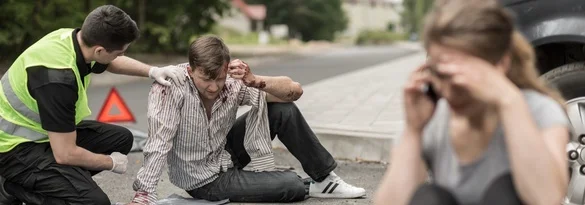
According to the report, potential factors in the surge in pedestrian deaths include the growing use of cellphones distracting drivers and walkers, warmer weather, shorter winters, and the greater awareness of the health benefits of walking leading to people walking more.
Nearly three quarters of pedestrian deaths occurred after dark, and a third of those killed had been drinking alcohol. By comparison, 15% of motorists involved in those crashes had a blood alcohol level that equaled or exceeded the legal limit.”
The article also noted that an organization that represents city bus drivers has estimated that one pedestrian is killed every 10 days by city buses because of blind spots on those buses, caused by the poor design of wide pillars that connect windshields to driver side windows. The organization called for design changes to remove unnecessary blind spots, as many European manufacturers have done.
At Schauermann Thayer we often represent people who are injured in pedestrian accidents, or the families of those who are killed. We know from experience that too many drivers are distracted- whether by cellphones or otherwise, impaired, or simply in too big of a hurry. We also know that sometimes pedestrians don’t do everything they can to avoid falling victim. The consequences for both pedestrians and drivers from a collision can be life-altering, so it would be wise to remember some common-sense ways to stay safe:
- Don’t drive impaired, drowsy, or distracted. If you’re impaired and are (smartly) not driving to your destination, but you must walk there, make sure to take extra care, especially when crossing streets. A cab, Uber ride, or lift from a friend would be a much better idea;
- Pedestrians should wear clothing that makes them visible, especially at night. That may include flashing lights, brightly colored vests, or anything with reflective patches or tape on it;
- Drivers should assume that pedestrians could be coming from any direction and check their surroundings accordingly- especially so when in the vicinity of a crosswalk;
- Pedestrians should never assume drivers will yield the right of way in a marked or unmarked crosswalk, or anywhere, and should never assume a driver (including a bus driver) sees them until they are certain.
Safe travels.

About the Author
Scott A. Staples
 Scott Staples came on board in 2006 as a clerk during law school, and joined the firm as an associate attorney in 2007. He was made a shareholder in the firm in 2010. Scott graduated, cum laude, from Washington State University Vancouver with a BA in English, and obtained his Juris Doctorate from Willamette University College of Law, with cum laude honors there as well. He has successfully represented clients in a variety of different types of injury cases, including auto collisions, premises liability, animal attacks, watercraft accidents, and construction site injuries. He has appeared, and won, before the Washington State Supreme Court (Weismann v. Safeco, 2012).